Coin supply is a joke
Both this and the previous article were inspired by the OneLife Mastermind event, during which the people on stage were gushing about how many coins their system will have and can mine.
"The new blockchain will mine 50'000 coins per minute. [...] I think we are mining about 2'000'000'000 coins now."
In their previous event, they've stated
"Biggest coin out there is Ripplecoin [sic], with 100 billion coins[sic]", and OneCoin will increase its number of coins to 120 Billion to be bigger than Ripple.
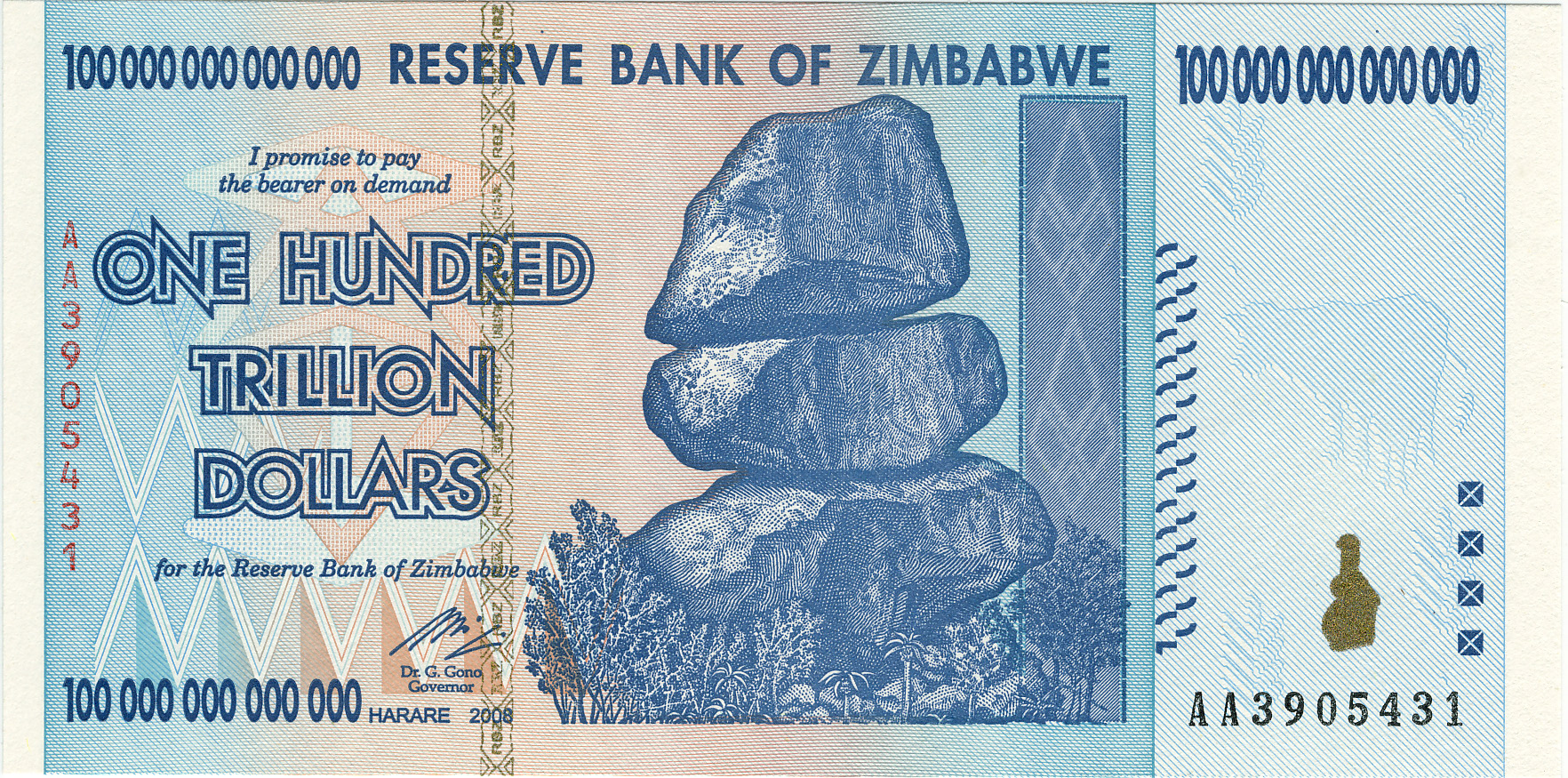
Focusing on the amount of coins you are mining or the coin supply is a joke. It's like praising Zimbabwe for producing 100T dollar notes, or the post WW1 Germany for having so much money you can build toy houses with them.
Market cap is deceptive
A lot of people rely on the market cap to determine which coin is the most valuable and worthwhile. Just have a look at CoinMarketCap. At the moment we have Bitcoin leading the market cap of about $10B, followed by Ripple at $1.2B.
Right at position number 2, we have an issue calculating the market cap - Ripple's available supply is listed at 35B XRP, although its total supply is shy of 100B XRP. If we calculated the market cap blindly, we should take the total supply and multiply it by the current price (0.0035 USD/XRP), which would net us $3.6B, rather than $1.2B.
The market cap is a poor metric for a coin with a highly-centralised supply. As Peter Todd jokingly put it - just mine a large amount of coins, sell a few of them at a high price and you've got a huge market cap.
It would be really hard to create some metric that can measure how valuable a cryptocurrency network is - market cap can be inflated, volume can be faked or hidden, you can't ever know how much of the coin supply is held by a handful of people with a million addresses, etc.
Inflation is not growth
In the past I've seen some deceptive advertising for a proof of stake coin that claimed it was a savings currency. They justified it by essentially saying - "buy our coin, then you can stake it and earn X% per year with it". While on surface it might appear so - if I start with 100 coins and at the end of the year I get 110 coins, then I'm 10 coins richer, right?
That works only on paper. If the market cap for the cryptocurrency remained unchanged and everyone got their 10% more coins, then you're right where you started - you own the exact same percentage of the economy as you used to. The inflation ate your earnings.
In economics, there is an important distinction between nominal and real interest rates. If I take a loan at 5% (nominal) interest rate, but the inflation is at 3%, then I effectively only pay a 2% (real) interest rate on the loan. Each year the principal of my loan has lower and lower purchasing power even if the number remains steady. The same is true for proof of stake inflationary coins - you're not earning anything with them, unless the pace of your earnings is faster than the overall inflation of the network.
A coin will only net you revenue if its equivalent of "real GDP" increases:
If you're not ahead, you're losing money
In an inflationary currency, if your supply of coins is growing slower than the average coin supply, you are essentially losing money. Earning 5% interest in a currency with 10% inflation means you are losing 5% on your investment in an ideal economy. In a real-life scenario, the markets would most likely be swayed a lot more by the speculation on the coin and whatever hype it can muster.
This point usually has low impact on most coins, but it seems to be exemplified with OneCoin's splits and tokens, assuming we would treat the coin as a real cryptocurrency and not a scam. In OneCoin, you can buy different packages that each come with a different amount of tokens and splits. If you buy the cheapest package for 110 EURO you get 1000 tokens and one split, but if you decide to spend 27'500 EURO, you get 300'000 tokens and three splits. This means that not only do you get about 20% discount on tokens when buying them in bulk, buy you can also split them more times (which I'm guessing would give you more mining tokens or something, I'm not sure). Because of this, if you're buying anything shy of the top-tier package, you're already falling behind. I guess that's why you can find a lot of "strategies" for buying the tokens everywhere...
Same goes for the doubling event, wherein everyone's coins got doubled (since 100% inflation equates to 100% growth or something...). If you missed that event, your purchases are only worth 50% of what they would've been before that event in proportion to the entire market. You can't ever catch up.
If you're late, you're paying the early adopters
Unless we're talking about cryptocurrencies with a flexible supply denominated in fiat, anyone adopting late is essentially paying the early adopters. In some cases, that's pretty justifiable - when Bitcoin was still fresh and nobody knew if it had staying power, you needed a lot of people to devote their time and energy into developing the infrastructure everyone relies on today.
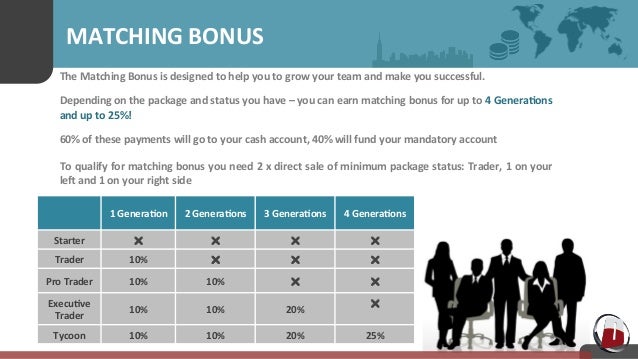
However, if you look at something like OneCoin that relies heavily on hype and even pays you in a pyramid-like structure for referrals, you have to be really weary when buying into it.
This is why a lot of people in the crypto world despise premining and fast maturing coins - a few people hold a lot of coins and they get to reap the bulk of the money from anyone buying into the network. When the jig is up, they can cash out and it's the late adopters that get to hold the bags.
If OneCoin was an honest coin, I can see some people getting rich if and when the coin starts getting publicly traded and people can start dumping their coins. As it is now, it is likely that everyone with the coins will be holding the bags while the people behind the coin will be the one with the money.
Conclusions
Coin supply does not matter, market caps can be deceiving, nominal growth does not matter - only real growth, don't buy into scams.